The eCMR-EDI Integration Compliance Framework: How to Build Future-Proof Electronic Consignment Note Systems That Meet 2026 eFTI Requirements Without Breaking TMS Operations

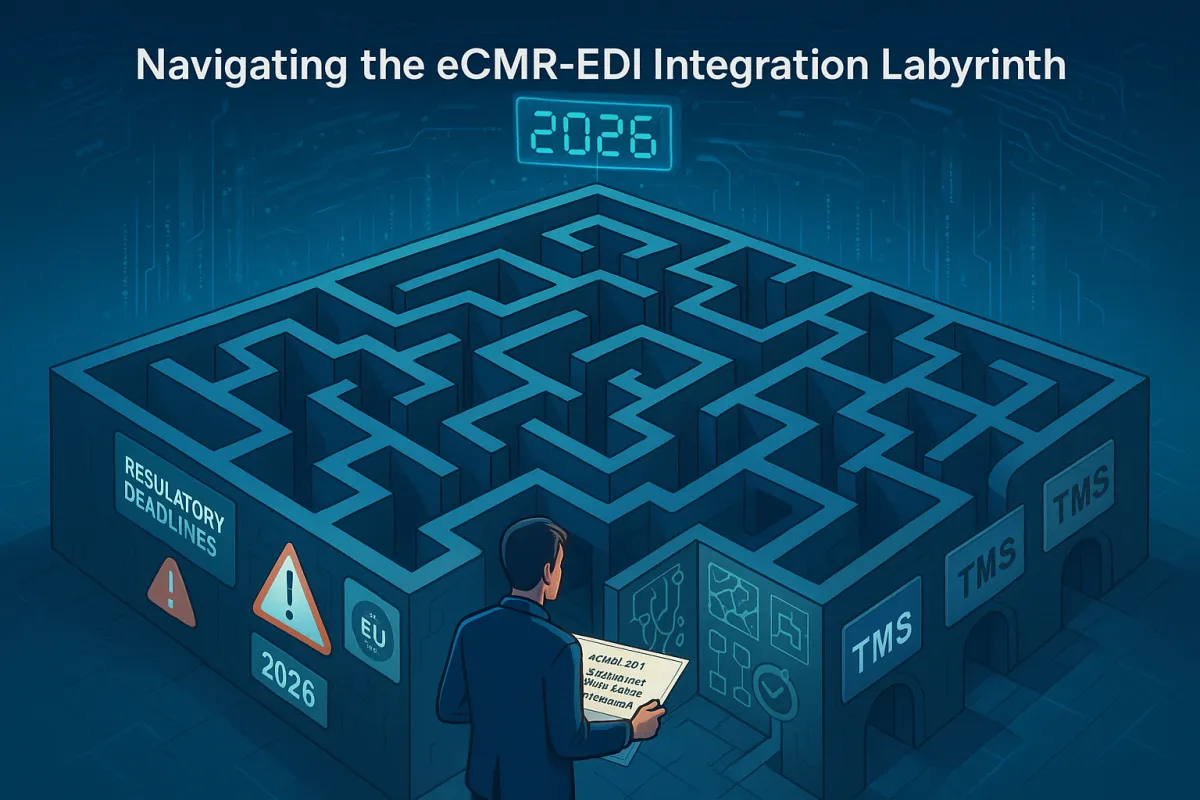
The January 2026 regulatory deadline for eFTI platform preparation is colliding with the reality that most transport organizations are still struggling with basic eCMR implementation. While the European Commission estimates €1 billion in annual cost savings from digitalization, the path from today's paper-based CMR systems to compliant eFTI platforms requires navigating a technical minefield that has already claimed 73% of digital transport initiatives.
The challenge isn't just regulatory compliance. It's building an integration framework that connects eCMR systems with existing EDI workflows and TMS platforms while preparing for the July 2027 deadline when all Member States must accept electronic transport data via certified eFTI platforms. Here's how to build that framework without breaking your current operations.
The eCMR-eFTI Regulatory Convergence Crisis
Starting January 2026, eFTI platforms and service providers can begin preparing for operations, with Member States authorities potentially accepting data stored on certified eFTI platforms for inspection. This creates a 18-month preparation window before July 2027 when the eFTI Regulation applies in full and Member State authorities must accept electronically shared information via certified platforms.
The regulatory timeline creates three critical integration phases. By September 2025, the Commission will adopt detailed functional and technical requirements for eFTI platforms and certification rules. Companies need to start mapping their current eCMR capabilities against these emerging specifications now, not when the standards are finalized.
Most transport companies are discovering their eCMR systems won't automatically qualify for eFTI compliance. Authorities must accept electronic data shared via eFTI-compliant platforms, with business data housed on secure, certified IT platforms integrated with existing data management systems. The keyword here is "certified" - your current digital CMR solution probably isn't.
The Technical Architecture Reality Check
eCMR systems connect to transport management systems, ERP software, fleet management tools, and customs systems via standardized APIs and EDI interfaces. This integration complexity multiplies when you add eFTI compliance requirements on top of existing EDI message flows.
The integration decision tree starts with a fundamental choice: batch versus real-time data synchronization. When traffic departments generate load orders in TMS/ERP/CRM systems, draft digital CMRs should be created automatically and sent to driver terminals. This real-time approach works well for eCMR but creates challenges when you need to transform that same data for eFTI platform submission.
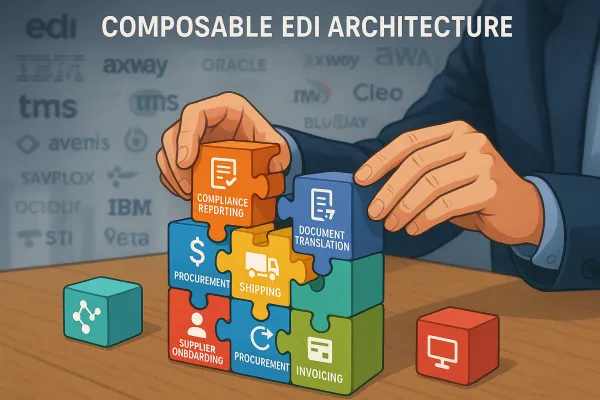
Your architecture needs to handle three distinct data flows simultaneously. First, the traditional EDI message exchange with trading partners continues unchanged. Second, eCMR data flows between your TMS and driver devices for operational execution. Third, eFTI data subsets must be extracted and formatted for regulatory submission through certified platforms.
Consider platforms like Cargoson, which handles multi-protocol requirements differently than enterprise solutions from SAP TM or Oracle TM. Cargoson focuses on API-first integration, while traditional enterprise platforms often require heavy EDI transformation layers. The choice affects your development timeline and ongoing maintenance costs.
The eCMR Data Mapping and Transformation Challenge
eCMR captures transport data in standardized digital formats, ensuring clear, accurate, and traceable documentation throughout every step of the process. But eFTI compliance requires additional data elements not typically captured in standard eCMR implementations.
Data is only shared with authorities upon explicit inspection request using unique access links in machine-readable formats such as QR codes, while platforms also allow selective sharing with authorized business partners through tailored access rights. This means your data mapping strategy needs to support multiple access patterns from the same dataset.
The transformation challenge centers on data model incompatibilities between eCMR document structures and eFTI data subsets. The most efficient approach uses eCMR as the source document from which eFTI datasets are automatically generated, avoiding duplication and ensuring consistency between business partner information and regulatory data.
Vendors approach this differently. Cargoson's platform generates eFTI-compatible data from their eCMR base, while Transporeon requires separate data mapping for regulatory compliance. The nShift ecosystem provides transformation capabilities but requires significant configuration effort to align CMR and eFTI schemas.
Integration Platform Selection and Vendor Consolidation Risks
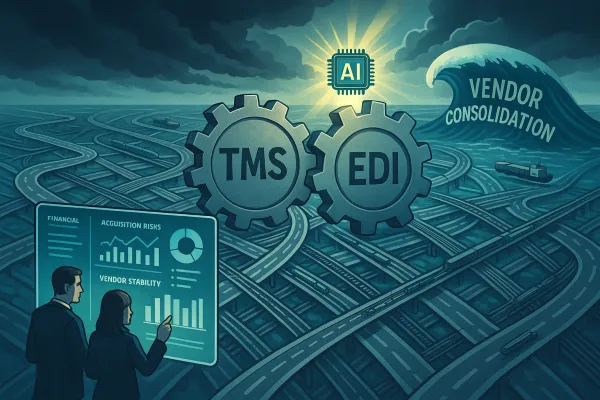
The TMS vendor landscape changed dramatically with WiseTech's $2.1 billion E2open acquisition. Most TMS platforms now include eCMR solutions, but eFTI compliance capabilities vary significantly across vendors.
This consolidation creates both opportunities and risks. Integrated TMS-eCMR solutions from major vendors like MercuryGate and Descartes offer seamless data flow but often lock you into specific eFTI platform choices. Specialized solutions like Cargoson provide more flexibility in eFTI platform selection but require additional integration work with your existing TMS.
The vendor selection criteria need to include eFTI certification roadmaps, not just current eCMR capabilities. All eFTI platforms and service providers must meet common technical and functional requirements for certification, ensuring interoperability regardless of EU location. Ask vendors for their specific certification timeline and technical compliance plans.
European compliance becomes more complex with varying national implementation schedules. eCMR adoption varies across European countries, with Spain joining in 2011, France in 2016, Portugal in 2019, and Italy in 2024. Your platform choice needs to support this fragmented compliance landscape.
Security, Authentication, and eIDAS Compliance Framework
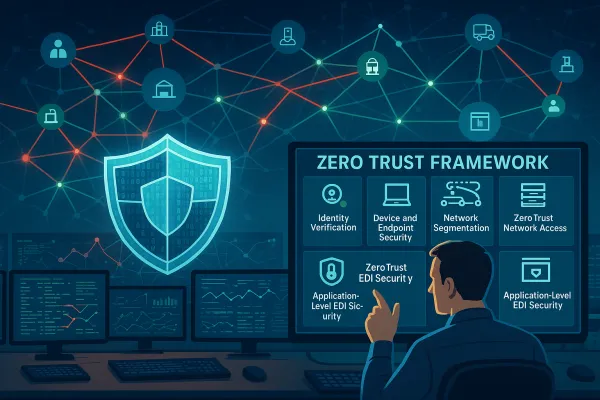
Platforms must implement cybersecurity measures, with authority access based on coded authorized requests that are logged and notified in real time to business users, and data stored under EU jurisdiction. This security framework extends beyond traditional EDI authentication protocols.
Electronic consignment notes require advanced electronic signatures from all involved parties, with data accessibility for authorized persons, guaranteed storage and document sending, ensuring absolute data protection during transport operations. The eIDAS regulation adds another layer of cryptographic requirements that most EDI systems weren't designed to handle.
Your security architecture needs to support multiple signature standards simultaneously. Traditional EDI flows continue using standard authentication, while eCMR documents require qualified electronic signatures, and eFTI submissions need additional identity verification layers. This creates certificate management complexity that affects both operational workflows and system integration patterns.
Enterprise platforms like SAP TM and Oracle TM include comprehensive security frameworks but require significant configuration to meet eIDAS standards. Specialized solutions often provide simpler implementation paths but may lack the enterprise-grade security controls required for large-scale operations.
Implementation Roadmap and Testing Protocols
The implementation sequence matters more than individual technology choices. Integrating eCMR into TMS enables automatic electronic consignment note generation without data entry, reducing document management time from 23 minutes to 9 minutes. Start there before adding eFTI complexity.
Phase one should establish stable eCMR generation from existing TMS data. Full integration within TMS software ensures all cargo documentation collection and control in a single digital environment. Test this thoroughly with your current trading partners before introducing eFTI requirements.
Phase two adds eFTI data transformation capabilities. Modern eCMR systems connect via API with management systems, allowing information flow without manual intervention. Use these same API endpoints to extract eFTI data subsets, but implement this as a parallel process initially.
Testing protocols need to cover integration failure scenarios, not just happy path workflows. What happens when your TMS is unavailable but drivers need to generate eCMR documents? How do you handle eFTI submission failures without blocking normal operations? Your testing framework should validate these edge cases before the July 2027 compliance deadline.
Cost Optimization and ROI Measurement Strategies
The European Commission reports eCMR saves up to €6.21 per consignment note, with total estimated savings of €2.3 billion across the transport sector. Additional reports estimate eCMR reduces documentation costs by up to 70% and processing time by 59%. These numbers assume successful implementation.
The real ROI calculation must include integration costs, ongoing platform fees, and potential business disruption during migration. Digital implementations achieve 90% paper reduction, but the upfront investment in platform certification and system integration can be substantial.
Compare total cost of ownership across different approaches carefully. Cargoson's subscription model may cost less upfront than enterprise platform licensing, but consider long-term costs including eFTI certification fees, API usage charges, and integration maintenance. Traditional enterprise solutions often include eFTI capabilities in base licensing but require significant implementation services.
The anticipated €1 billion in annual operational and administrative cost savings for the EU transport and logistics sector creates competitive pressure to implement quickly. But premature implementation without proper integration testing often costs more than delayed compliance with thorough preparation.
Start your eCMR-EDI integration planning now. The regulatory timeline is fixed, but your implementation approach determines whether you capture the efficiency gains or join the 73% of failed digital transport initiatives. Focus on stable TMS integration first, then layer on eFTI compliance capabilities as certification requirements become clearer. The companies that build robust integration frameworks today will dominate European freight markets by 2027.