The 2025 EDI Vendor Consolidation Crisis: Your Strategic Framework to Navigate Provider Changes, Avoid Service Disruptions, and Future-Proof Your Integration Strategy

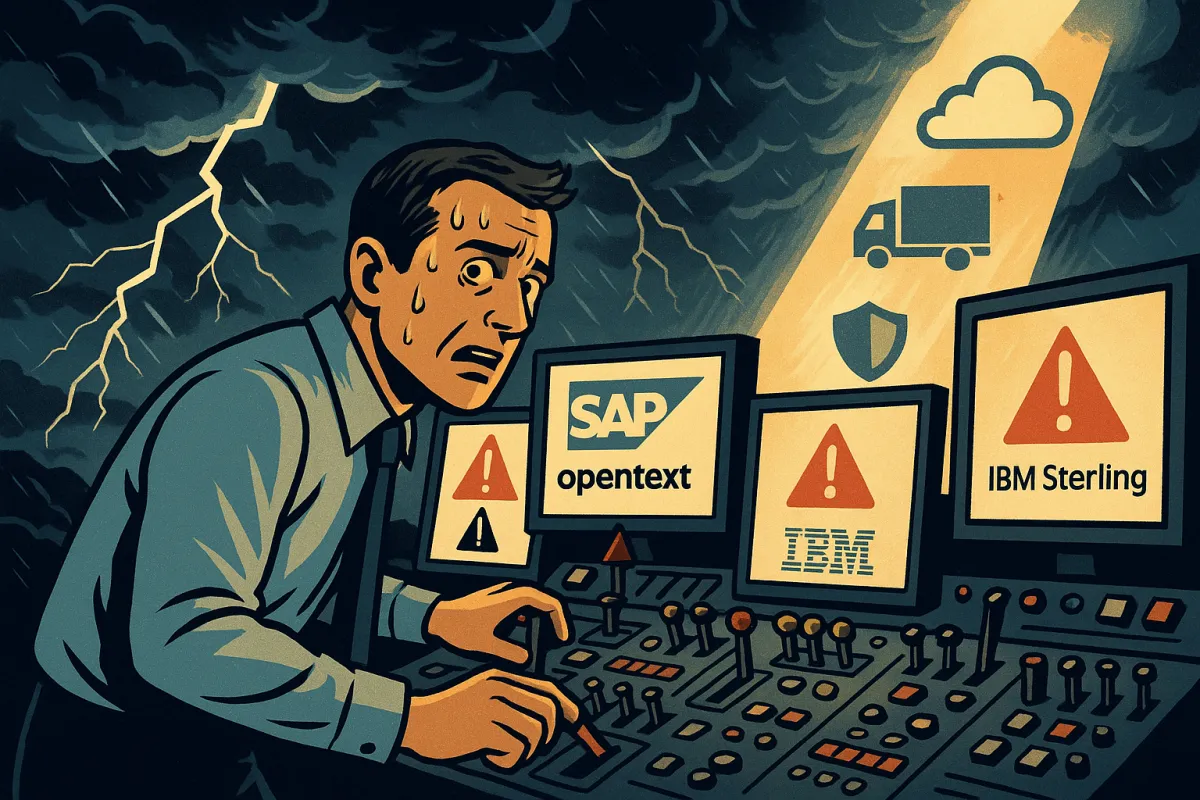
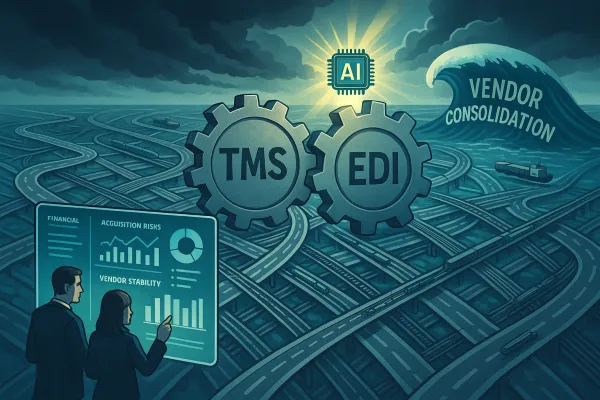
Three major EDI providers announced service changes in the past six months, forcing thousands of companies to evaluate their integration strategies under pressure. Recent vendor consolidations have created a perfect storm: higher costs, reduced feature sets, and migration deadlines that most IT teams aren't prepared for.
The consolidation crisis isn't just about switching vendors. You're looking at potential service disruptions that can halt supplier communications, trading partner onboarding delays that stretch for months, and integration costs that easily hit six figures for mid-sized operations.
The Real Cost of EDI Vendor Dependency
When SAP discontinued several EDI modules last year, companies faced $50,000 to $200,000 in unexpected migration costs. OpenText's acquisition spree has left former customers dealing with feature discontinuations and 40% price increases in some cases.
Here's what most EDI managers discover too late: vendor lock-in extends beyond just the software. Your team knows specific interfaces, your trading partners expect certain message formats, and your ERP integrations rely on proprietary APIs that don't translate cleanly to new platforms.
The financial impact compounds quickly. A manufacturer in Ohio spent eight months migrating from a discontinued platform, during which they couldn't onboard 12 new suppliers. That delay cost them $1.2 million in lost efficiency gains and forced manual processing that consumed 30% more staff time.
Service disruption scenarios happen more often than providers admit. Network outages, API changes without proper notice, and support quality degradation after acquisitions create operational risks that procurement teams can't absorb.
Your Complete EDI Vendor Evaluation Framework
Technical assessment starts with API capabilities and cloud readiness, but goes deeper into scalability patterns. Can the platform handle your peak transaction volumes without throttling? Modern EDI platforms should support both traditional batch processing and real-time message handling.
Business criteria matter more than most technical evaluations acknowledge. Financial stability means reviewing annual reports, not just marketing materials. Roadmap alignment requires understanding how the vendor prioritizes development versus maintenance of legacy features your operations depend on.
Integration capabilities with transport management systems become critical when you're evaluating long-term strategy. Platforms that connect seamlessly with MercuryGate, Descartes, nShift, and Cargoson reduce the complexity of managing multiple integration points.
Support quality varies dramatically between providers. Test response times for technical issues during your evaluation period. Ask for references from companies with similar EDI volumes and complexity. Support degradation after acquisitions is common enough that you should weight this heavily.
Vendor Scoring Matrix
Weight technical capabilities at 40%, business stability at 30%, integration flexibility at 20%, and support quality at 10%. Score each vendor from 1-10 across specific criteria like message format support, cloud infrastructure, API documentation quality, and trading partner network size.
Don't score based on feature lists. Score based on how well each feature works under production conditions. A vendor with fewer features that work reliably often outperforms one with extensive capabilities that fail under load.
Building Vendor-Independent EDI Architecture
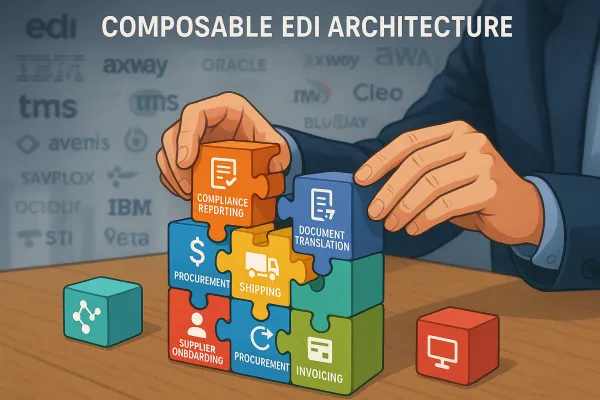
Hybrid EDI-API strategies reduce single vendor dependency by creating abstraction layers between your core systems and external providers. This approach costs 20-30% more upfront but can save 60% on future migration expenses.
Cloud-native platforms offer advantages beyond scalability. They enable microservices approaches where different EDI functions run independently. Document processing, partner onboarding, and message routing can use different services, reducing the risk of complete system failure.
Modern TMS platforms increasingly include EDI capabilities that rival dedicated providers. Transport management software evolution means solutions like Oracle Transportation Management, SAP Transportation Management, and freight management platforms now handle complex EDI scenarios that previously required specialized vendors.
Integration with carrier connectivity solutions creates redundancy options. Multi-carrier shipping software from providers like Cleo, TrueCommerce, or cloud-native platforms can maintain trading partner relationships even if your primary EDI provider experiences issues.
Strategic Migration Planning Without Service Disruption
Phased migration reduces risk by testing critical trading partner connections before full cutover. Start with low-volume partners or non-critical document types. This approach extends migration timelines but prevents the catastrophic failures that occur with big-bang conversions.
Trading partner communication requires more planning than most teams allocate. Partners need 90-120 days notice for significant changes to message formats or connection methods. Some large retailers require six months for EDI changes, which affects your migration timeline regardless of technical readiness.
Testing frameworks should include transaction volume simulation, not just message format validation. Your new platform might handle 1,000 transactions perfectly but fail at 10,000. Load testing during migration prevents production surprises.
Budget migration costs at 1.5-2x initial estimates. Hidden expenses include extended parallel operations, additional testing time, trading partner coordination delays, and inevitable customization requirements that weren't obvious during vendor selection.
Future-Proofing Your EDI Strategy
AI integration readiness matters more than current AI features. EDI transformation trends show platforms with API-first architectures adapt better to machine learning integration than legacy systems retrofitted with AI capabilities.
Real-time processing capabilities affect trading partner satisfaction and competitive positioning. Partners increasingly expect immediate acknowledgments and exception handling. Traditional batch EDI processing creates delays that modern supply chains can't absorb.
Blockchain and IoT compatibility planning involves understanding how EDI data might integrate with smart contracts or IoT sensor data. While these technologies aren't mainstream yet, the platforms most likely to support them share common architectural patterns you can evaluate now.
Sustainability reporting integration becomes mandatory under CSRD compliance. EDI platforms that can capture and format carbon footprint data, supplier sustainability metrics, and environmental impact reporting will provide competitive advantages as regulations expand.
Your 90-Day EDI Vendor Decision Action Plan
Days 1-30: Complete vendor evaluation using the scoring framework. Request demos focused on your specific use cases, not generic presentations. Test API documentation quality by attempting basic integrations during evaluation periods.
Days 31-60: Validate references and conduct proof-of-concept testing with critical trading partners. Calculate total cost of ownership including migration, training, and ongoing support expenses. Review vendor financial stability through annual reports and industry analysis.
Days 61-90: Negotiate contracts with exit clause protections and service level guarantees. Plan migration approach and communicate timeline to trading partners. Establish parallel testing environment and begin staff training on new platform capabilities.
The vendor consolidation crisis creates urgency, but hasty decisions compound problems. Companies that take 90 days for thorough evaluation consistently report better outcomes than those pressured into quick vendor switches by discontinuation deadlines.
Consider whether TMS-integrated EDI solutions better match your operational model than standalone EDI platforms. Transportation management systems with built-in EDI capabilities often provide better total cost of ownership for companies where shipping and logistics data dominate EDI volumes.